LOKALES
Thursday, July 31, 2025
Pages 10-11
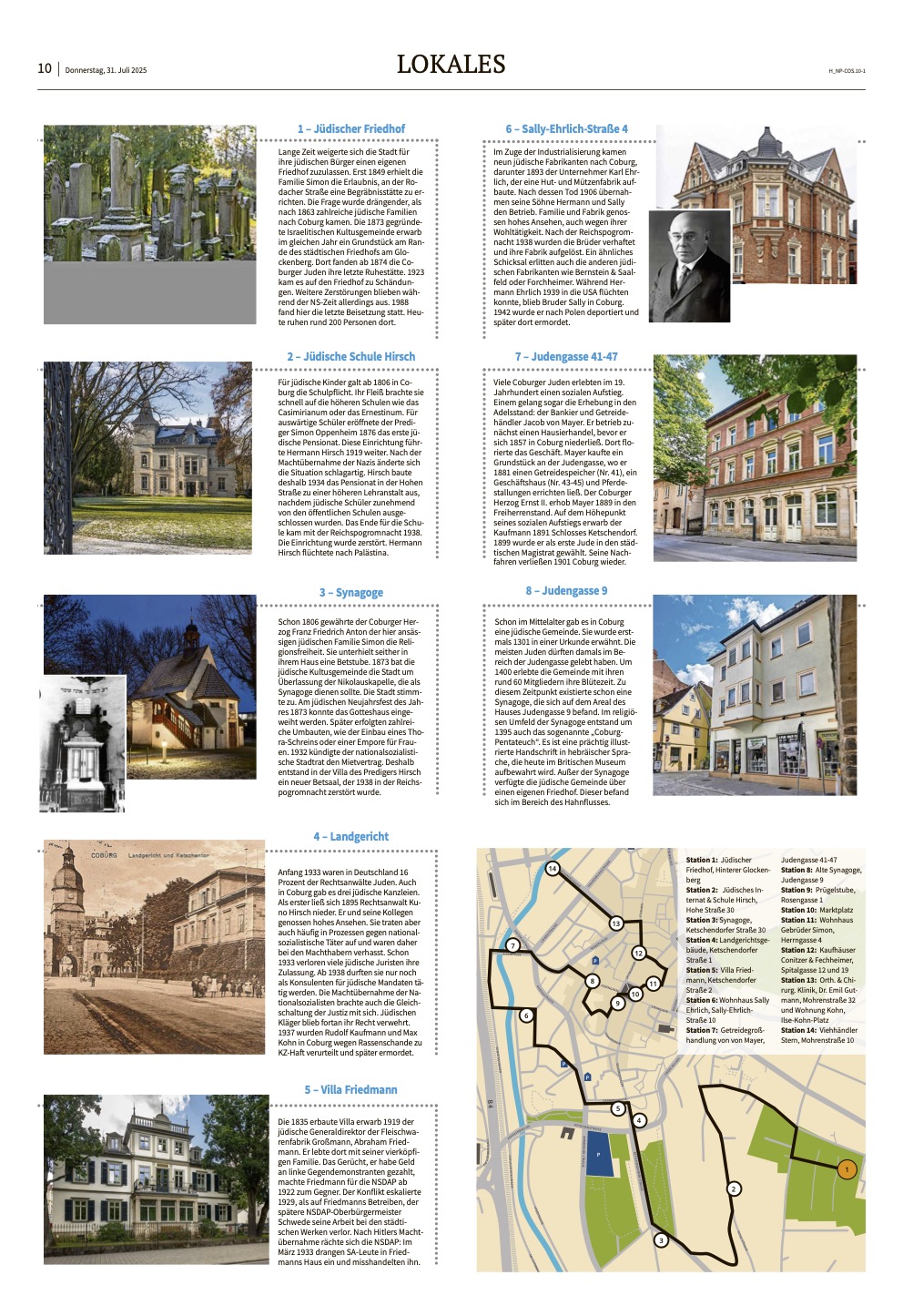
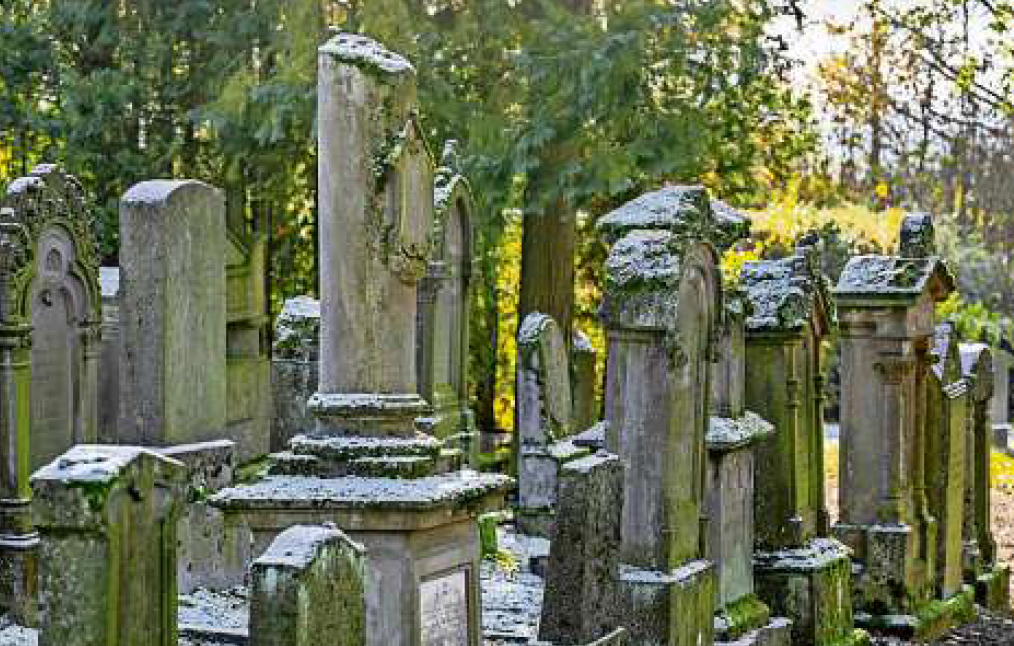
1 – Jewish Cemetery
For a long time, the city refused to allow its Jewish citizens to have their own cemetery. It wasn’t until 1849 that the Simon family received permission to establish a burial site on Rodacher Straße. The issue became more pressing when numerous Jewish families came to Coburg after 1863. The Jewish Community, founded in 1873, acquired a plot of land on the edge of the city’s Glockenberg cemetery that same year. From 1874 onward, Coburg’s Jews found their final resting place there. In 1923, the cemetery was desecrated. However, there was no further destruction during the Nazi era. The last burial took place here in 1988. Today, around 200 people are buried there.
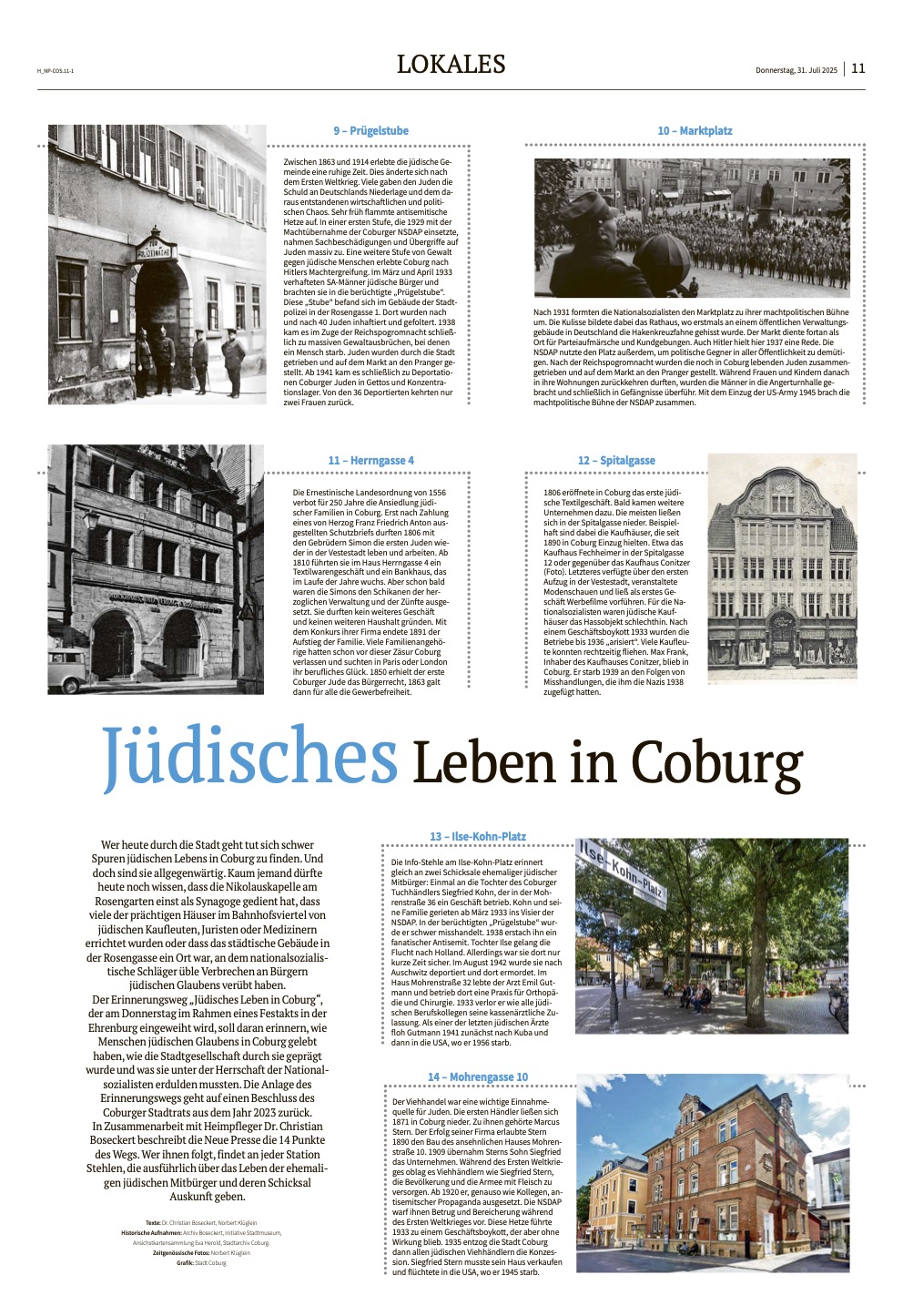
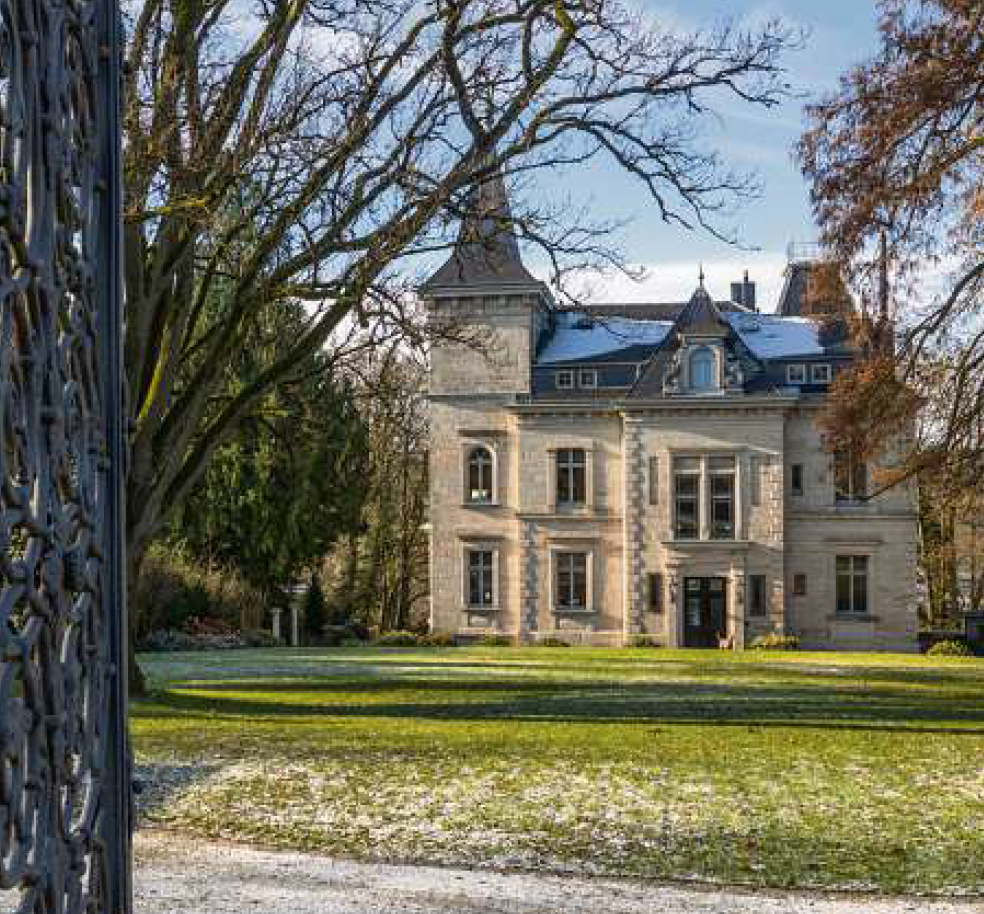
2 – Hirsch Jewish School
Compulsory school attendance was in effect for Jewish children in Coburg from 1806 onwards. Their hard work quickly earned them admission to secondary schools such as the Casimirianum or the Ernestinum. Preacher Simon Oppenheim opened the first Jewish boarding school for out-of-town students in 1876. Hermann Hirsch continued to run this institution in 1919. After the Nazis seized power, the situation changed dramatically. Hirsch therefore expanded the boarding school on Hohen Straße into a higher education institution in 1934, after Jewish students were increasingly excluded from public schools. The end of the school came with Kristallnacht in 1938. The institution was destroyed. Hermann Hirsch fled to Palestine.
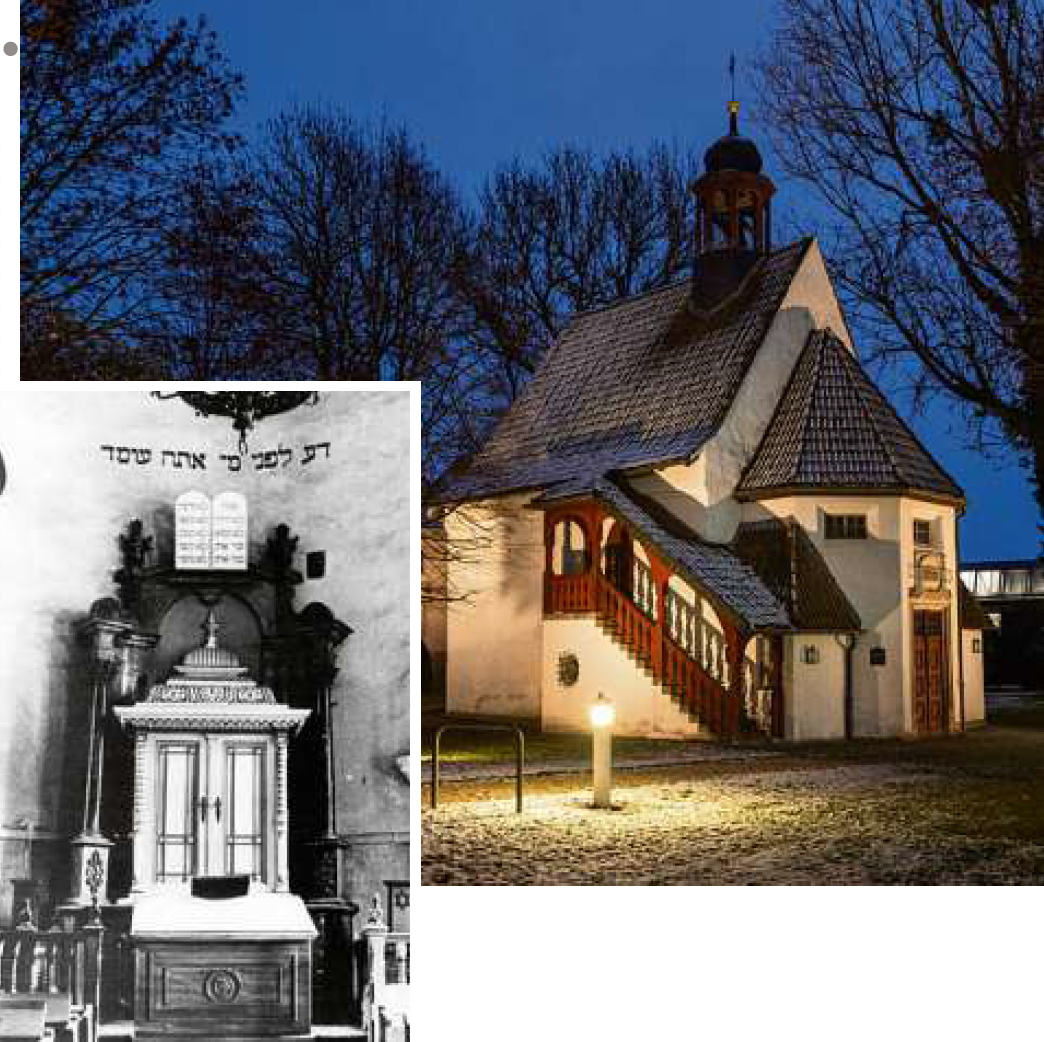
3 – Synagogue
As early as 1806, the Duke of Coburg, Franz Friedrich Anton, granted religious freedom to the local Jewish Simon family. They maintained a prayer room in their house ever since. In 1873, the Jewish community asked the city to grant them the St. Nicholas Chapel, which was to serve as a synagogue. The city agreed. On the Jewish New Year of 1873, the house of worship was consecrated. Numerous renovations were later made, such as the installation of a Torah shrine and a gallery for women. In 1932, the Nazi city council terminated the lease. Therefore, a new prayer room was built in the villa of preacher Hirsch, which was destroyed during Kristallnacht in 1938.
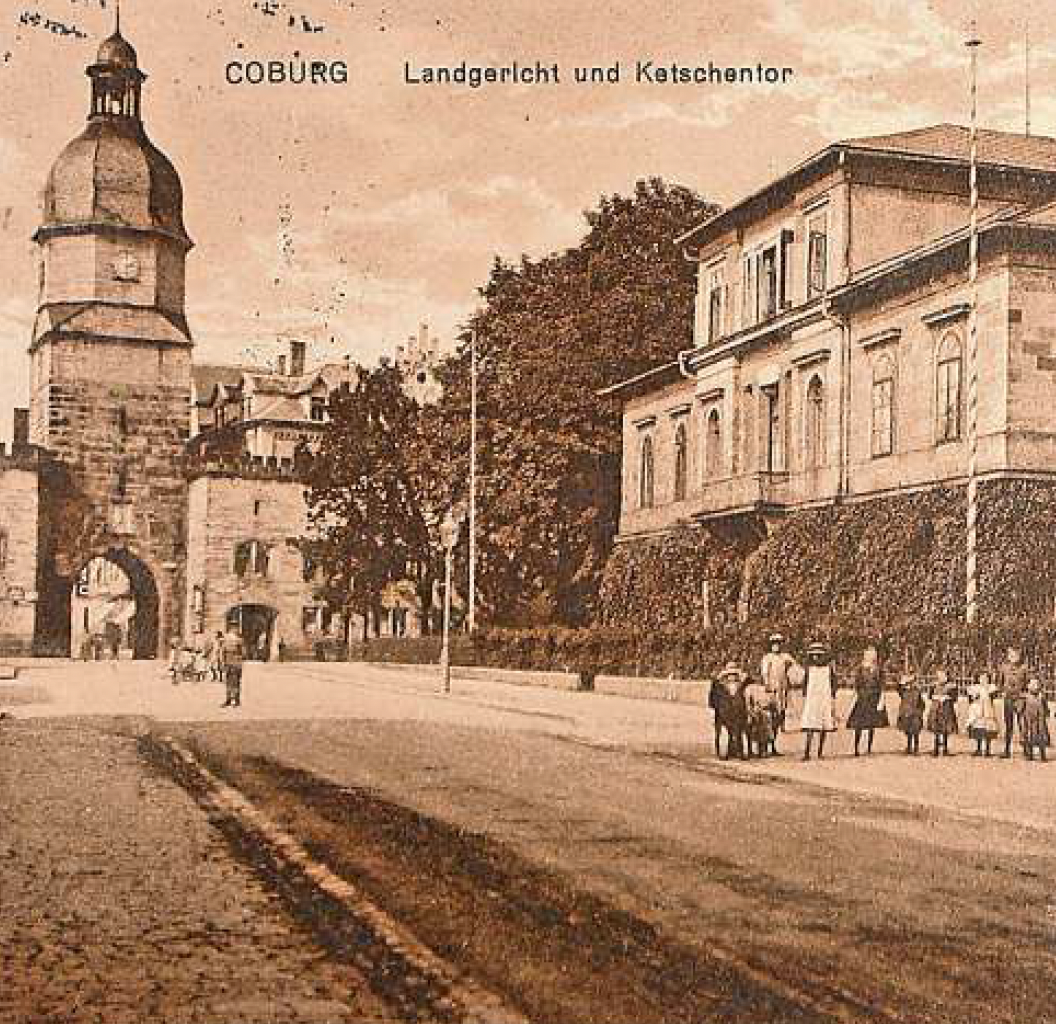
4 – Regional Court
At the beginning of 1933, 16 percent of lawyers in Germany were Jewish. There were also three Jewish law firms in Coburg. Attorney Kuno Hirsch was the first to set up a practice in 1895. He and his colleagues enjoyed high esteem. However, they also frequently appeared in trials against Nazi perpetrators and were therefore hated by those in power. As early as 1933, many Jewish lawyers lost their licenses. From 1938 onward, they were only allowed to work as consultants for Jewish clients. The Nazi seizure of power also brought with it the Gleichschaltung (coordination) of the judiciary. Jewish plaintiffs were henceforth denied their rights. In 1937, Rudolf Kaufmann and Max Kohn were sentenced to concentration camp imprisonment in Coburg for racial defilement and later murdered.
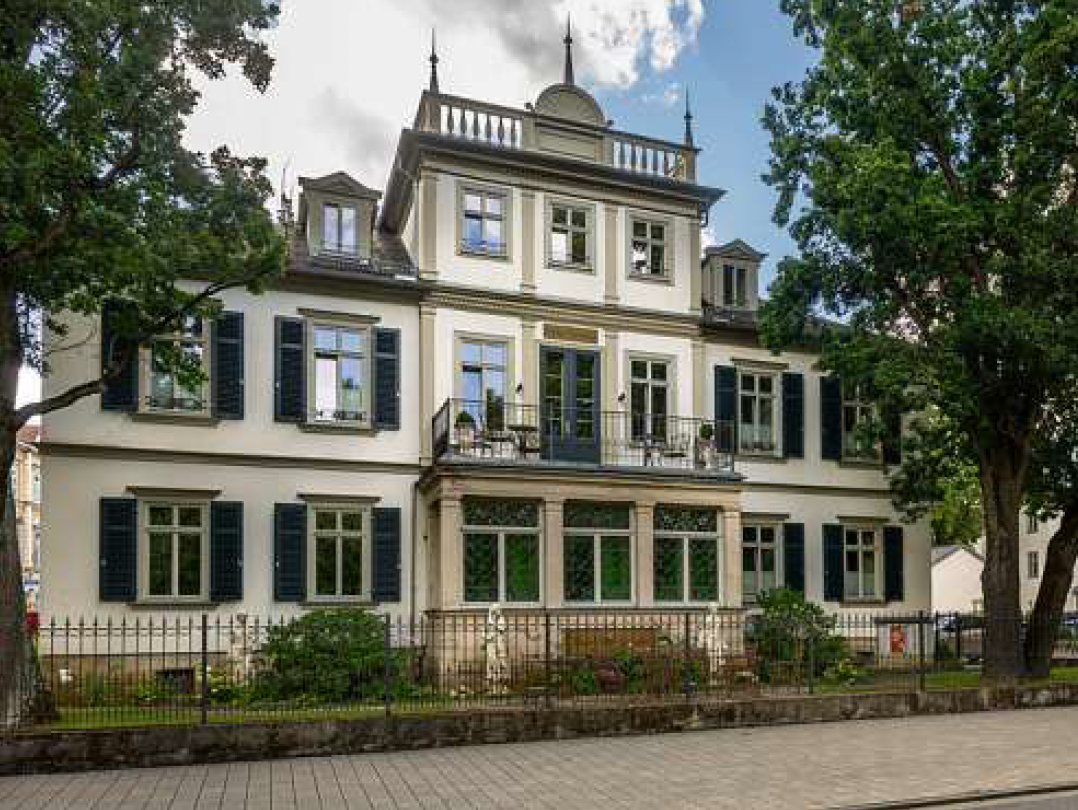
5 – Villa Friedmann
The villa, built in 1835, was acquired in 1919 by Abraham Friedmann, the Jewish general director of the Großmann meat processing factory. He lived there with his family of four. The rumor that he had paid money to left-wing counter-demonstrators made Friedmann an enemy of the Nazi Party from 1922 onward. The conflict escalated in 1929 when, at Friedmann’s instigation, Schwede, the future Nazi mayor, lost his job at the municipal works. After Hitler seized power, the Nazi Party took revenge: In March 1933, SA men broke into Friedmann’s house and abused him.
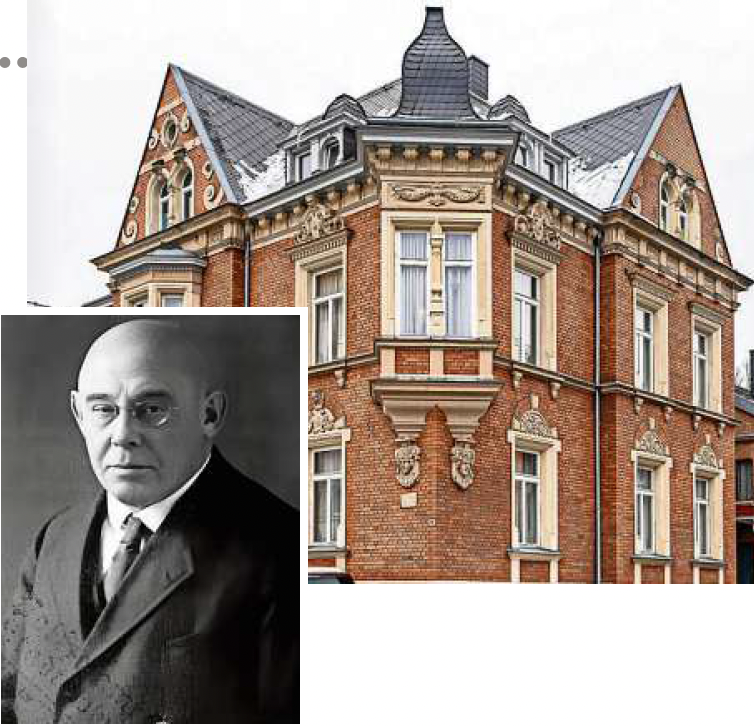
6 – Sally-Ehrlich-Straße 4
In the course of industrialization, nine Jewish factory owners came to Coburg, including the entrepreneur Karl Ehrlich in 1893, who built a hat and cap factory. After his death in 1906, his sons Hermann and Sally took over the business. The family and factory enjoyed high esteem, also because of their charitable work. After Kristallnacht in 1938, the brothers were arrested and their factory closed. Other Jewish manufacturers, such as Bernstein & Saalfeld and Forchheimer, suffered a similar fate. While Hermann Ehrlich was able to escape to the USA in 1939, his brother Sally remained in Coburg. In 1942, he was deported to Poland and later murdered there.
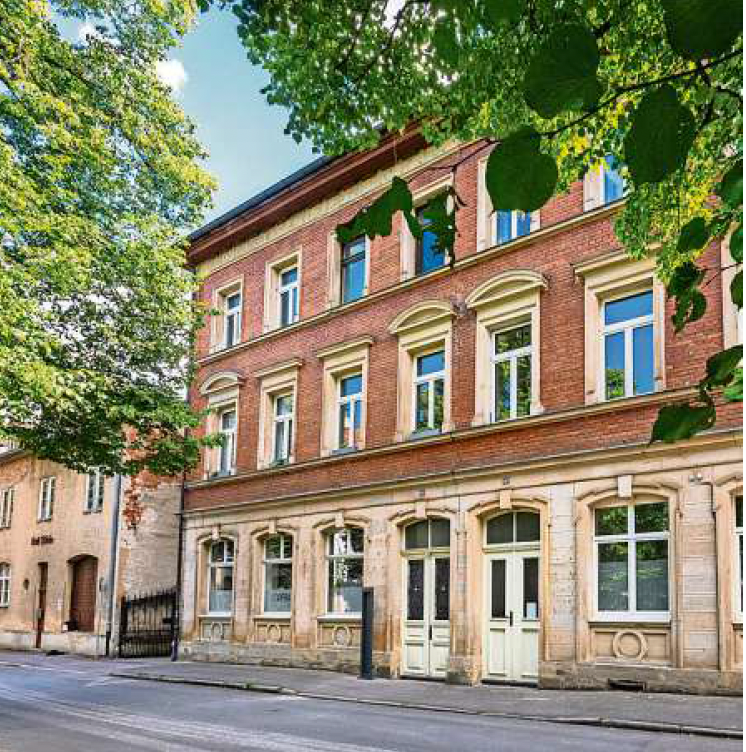
7 – Judengasse 41-47
Many Coburg Jews experienced social advancement in the 19th century. One even achieved elevation to the nobility: the banker and grain merchant Jacob von Mayer. He initially ran a peddling business before settling in Coburg in 1857. There, his business flourished. Mayer bought a property on Judengasse, where he had a granary (No. 41), a commercial building (Nos. 43-45), and horse stables built in 1881. Duke Ernst II of Coburg elevated Mayer to the rank of baron in 1889. At the height of his social advancement, the merchant acquired Ketschendorf Castle in 1891. In 1899, he became the first Jew to be elected to the city council. His descendants left Coburg again in 1901.
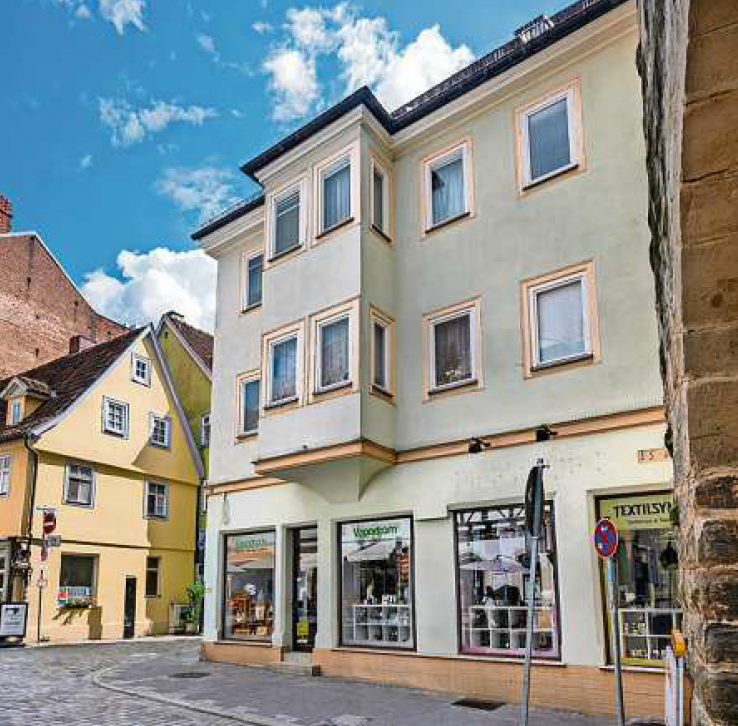
8 – Judengasse 9
There was already a Jewish community in Coburg in the Middle Ages. It was first mentioned in a document in 1301. Most Jews at that time likely lived in the Judengasse area. Around 1400, the community, with its approximately 60 members, experienced its heyday. At that time, a synagogue already existed, located on the grounds of the house at Judengasse 9. The so-called “Coburg Pentateuch” was also created around 1395 in the religious setting of the synagogue. It is a magnificently illustrated manuscript in Hebrew, which is now kept in the British Museum. In addition to the synagogue, the Jewish community had its own cemetery. This was located near the Hahn River.
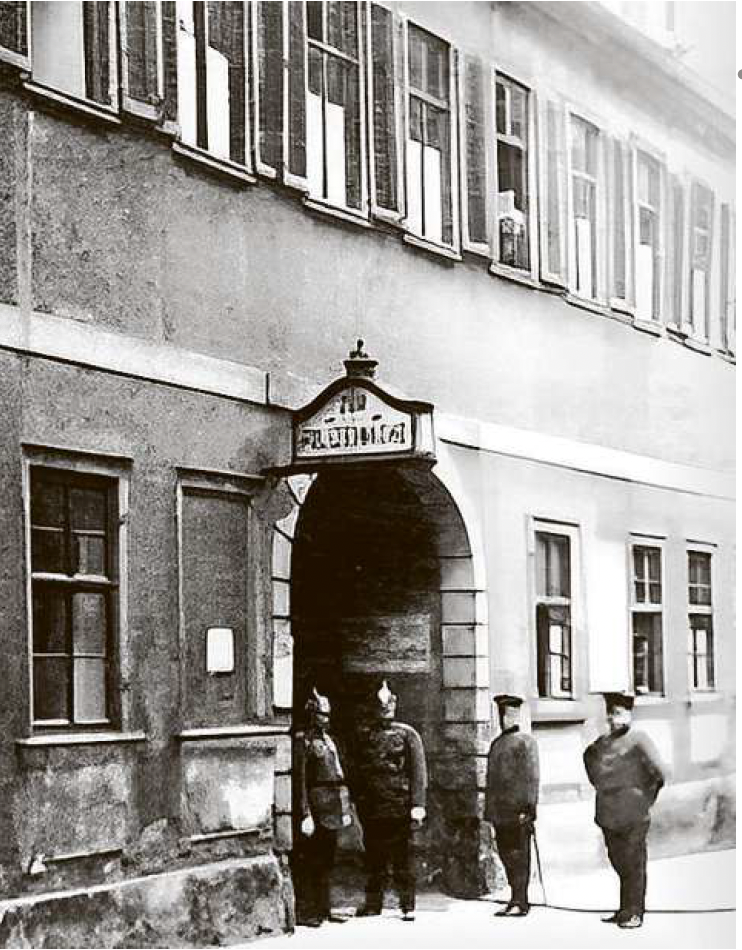
9 – Beating Room
Between 1863 and 1914, the Jewish community experienced a peaceful period. This changed after the First World War. Many blamed the Jews for Germany’s defeat and the resulting economic and political chaos. Antisemitic agitation flared up very early on. In the first phase, which began in 1929 with the Coburg Nazi Party’s seizure of power, property damage and attacks against Jews increased massively. Coburg experienced a further phase of violence against Jewish people after Hitler’s rise to power. In March and April 1933, SA men arrested Jewish citizens and brought them to the infamous “beating room.” This “room” was located in the city police building at Rosengasse 1. There, 40 Jews were gradually imprisoned and tortured. In 1938, during Kristallnacht, massive outbreaks of violence occurred, resulting in one death. Jews were driven through the city and pilloried in the market square. Starting in 1941, Coburg’s Jews were deported to ghettos and concentration camps. Of the 36 deportees, only two women returned.
10 – Market Square
After 1931, the National Socialists transformed the market square into their political platform. The backdrop was the town hall, where the swastika flag was hoisted for the first time on a public administrative building in Germany. From then on, the market served as a site for party marches and rallies. Hitler even gave a speech here in 1937. The NSDAP also used the square to publicly humiliate political opponents. After Kristallnacht, the Jews still living in Coburg were rounded up and pilloried in the market. While women and children were subsequently allowed to return to their homes, the men were taken to the Anger gymnastics hall and eventually transferred to prison. With the arrival of the US Army in 1945, the NSDAP’s political platform collapsed. 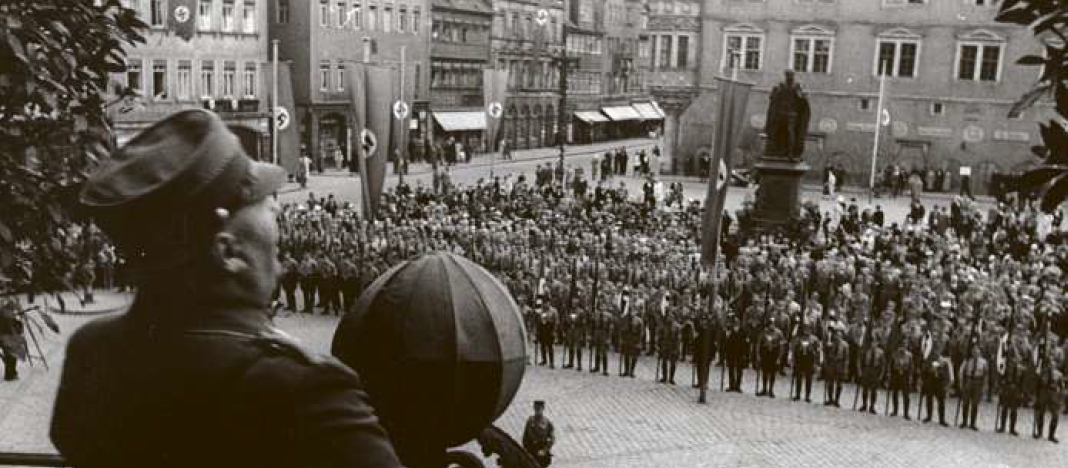
11 – Herrngasse 4
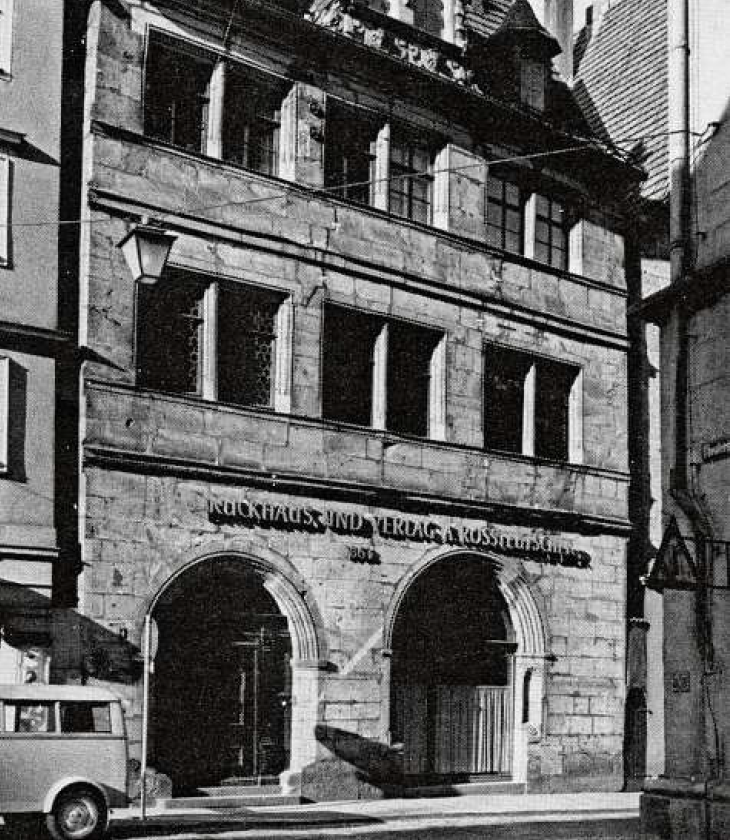
The Ernestine Order of 1556 prohibited the settlement of Jewish families in Coburg for 250 years. Only after paying a letter of protection issued by Duke Franz Friedrich Anton in 1806 were the Simon brothers, the first Jews, allowed to live and work in the fortress town again. From 1810 onwards, they ran a textile shop and a bank at Herrngasse 4, which grew over the years. But soon the Simons were subjected to the harassment of the ducal administration and the guilds. They were not allowed to establish another business or another household. The bankruptcy of their company in 1891 ended the family’s rise. Many family members had already left Coburg before this turning point and sought their professional fortunes in Paris or London. In 1850, the first Coburg Jew received citizenship, and in 1863, freedom of trade applied to all.
12 – Spitalgasse
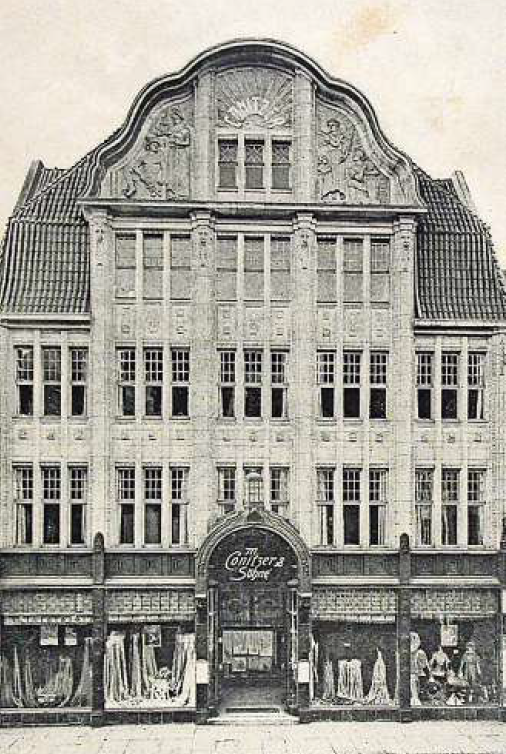
In 1806, the first Jewish textile shop opened in Coburg. Other businesses soon followed. Most settled in Spitalgasse. Exemplary of these are the department stores that began to move into Coburg in 1890. Such as the Fechheimer department store at Spitalgasse 12 or the Conitzer department store opposite (photo). The latter had the first elevator in the fortress city, hosted fashion shows, and was the first store to screen advertising films. For the Nazis, Jewish department stores were the object of hatred par excellence. After a business boycott in 1933, the businesses were “Aryanized” by 1936. Many merchants were able to escape in time. Max Frank, owner of the Conitzer department store, remained in Coburg. He died in 1939 as a result of the abuse he suffered at the hands of the Nazis in 1938.
13 – Ilse Kohn Square
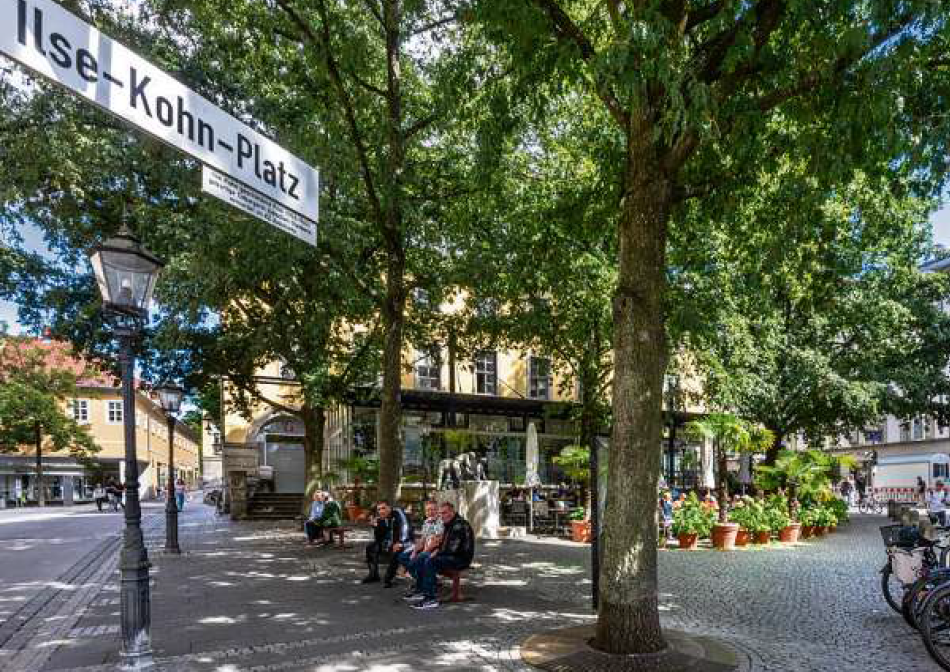
The information booth at Ilse-Kohn-Platz commemorates two former Jewish citizens: the daughter of the Coburg cloth merchant Siegfried Kohn, who ran a business at Mohrenstraße 36. Kohn and his family became a target of the Nazi Party in March 1933. He was severely mistreated in the infamous “beating room.” In 1938, a fanatical anti-Semite stabbed him. His daughter, Ilse, managed to escape to Holland. However, she was only safe there for a short time. In August 1942, she was deported to Auschwitz and murdered there. The doctor Emil Gutmann lived in the house at Mohrenstraße 32 and ran a practice for orthopedics and surgery. In 1933, like all of his Jewish colleagues, he lost his license to practice medicine. As one of the last Jewish doctors, Gutmann fled first to Cuba in 1941 and then to the USA, where he died in 1956.
14 – Mohrengasse 10
The cattle trade was an important source of income for Jews. The first traders settled in Coburg in 1871. Marcus Stern was one of them. The success of his company allowed Stern to build the impressive house at Mohrenstraße
10 in 1890. In 1909, Stern’s son Siegfried took over the business. During the First World War, it was the responsibility of cattle dealers like Siegfried Stern to supply the population and the army with meat. From 1920 onwards, he, like his colleagues, was exposed to anti-Semitic propaganda. The Nazi Party accused them of fraud and enrichment during the First World War. This incitement led to a business boycott in 1933, which, however, had no effect. In 1935, the city of Coburg then revoked the licenses of all Jewish cattle dealers. Siegfried Stern was forced to sell his house and fled to the USA, where he died in 1945.
Jewish life in Coburg
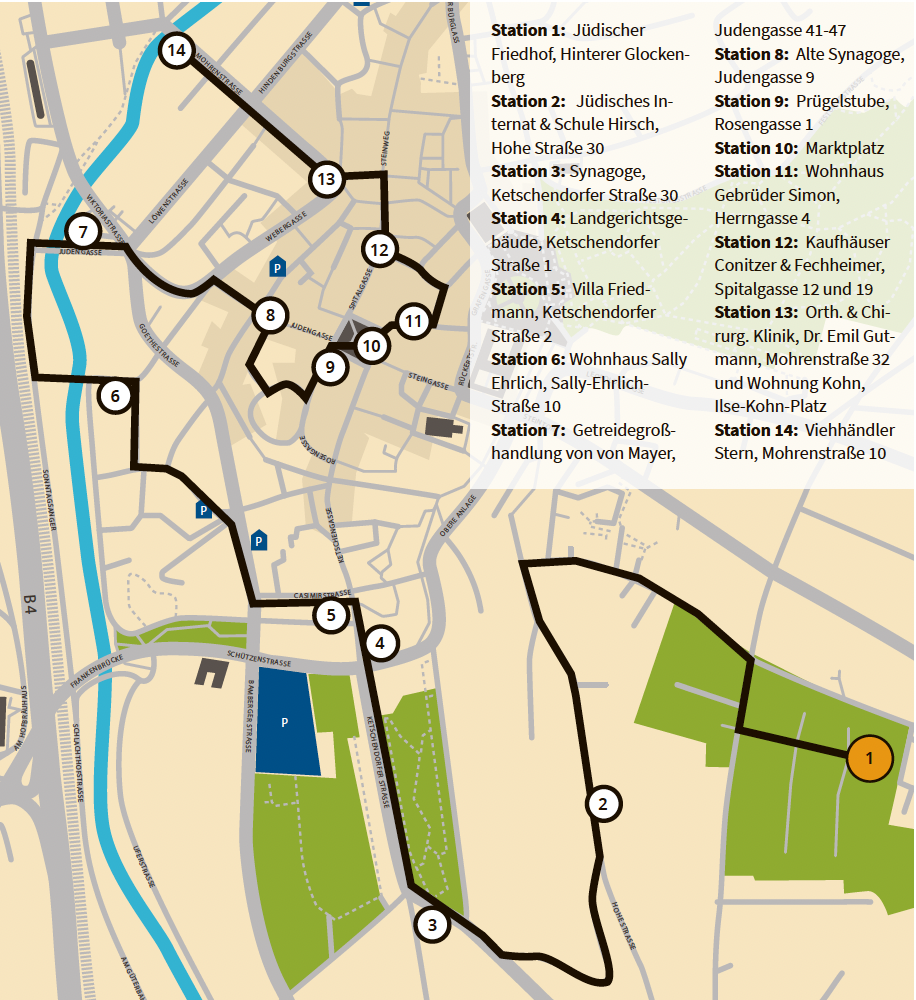
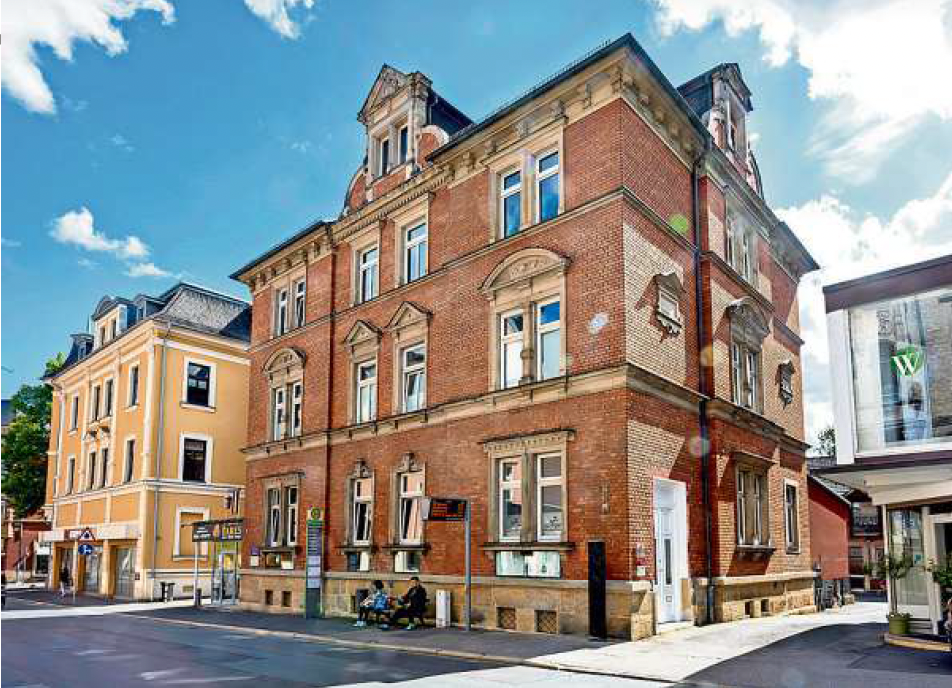
Anyone walking through the city today finds it difficult to find traces of Jewish life in Coburg. And yet they are omnipresent. Hardly anyone today is likely to know that the St. Nicholas Chapel at the Rose Garden once served as a synagogue, that many of the magnificent houses in the train station district were built by Jewish merchants, lawyers, or physicians, or that the municipal building on Rosengasse was a site where Nazi thugs committed heinous crimes against citizens of the Jewish faith. The “Jewish Life in Coburg” Memorial Trail, which will be inaugurated on Thursday during a ceremony in the Ehrenburg Castle, is intended to remind us of how people of Jewish faith lived in Coburg, how they shaped the city’s society, and what they had to endure under Nazi rule. The creation of the Memorial Trail dates back to a resolution passed by the Coburg City Council in 2023.
In collaboration with nursing home nurse Dr. Christian Boseckert, the Neue Presse describes the 14 points of the route. Those who follow them will find at each station information that provides detailed information about the lives of the former Jewish citizens and their fate.
Texts: Dr. Christian Boseckert, Norbert Klüglein
Historical photographs: Boseckert Archive, City Museum Initiative,
Eva Herold Postcard Collection, Coburg City Archives.
Contemporary photos: Norbert Klüglein
Graphics: City of Coburg
Translated with Google Translate